Quick Answer
Maintenance of vacuum dewatering systems includes regular pump inspection, cleaning filters, checking vacuum pressure, inspecting hoses and connections, lubricating moving parts, and monitoring overall system performance to ensure efficient water removal.
Introduction
Vacuum dewatering systems are widely used in construction projects where traditional methods struggle, especially in fine-grained soils like silt and clay. These systems rely on vacuum pressure to extract water effectively and maintain dry working conditions.
However, their efficiency depends heavily on proper maintenance. Without regular checks, even the most advanced system can lose performance, leading to downtime and increased costs.
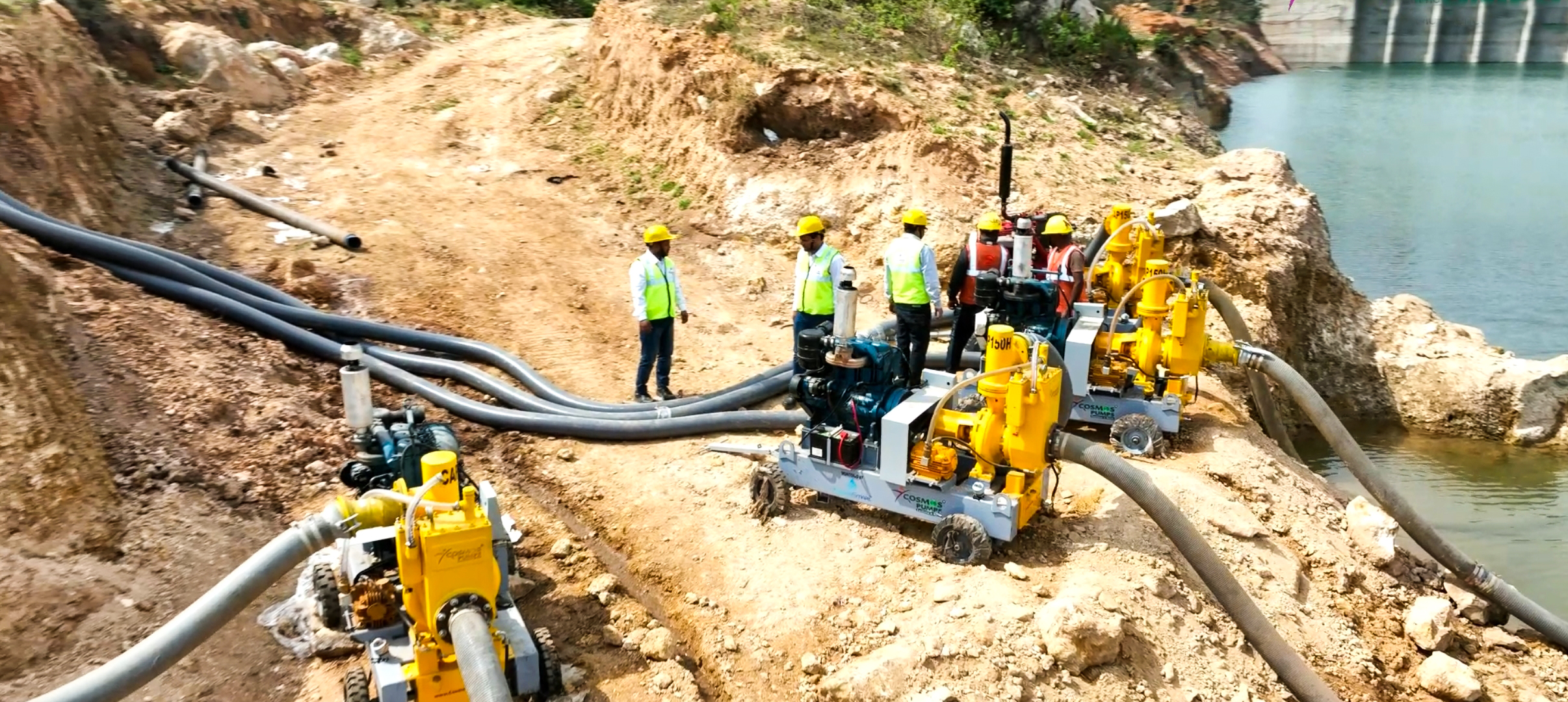
Cosmos Pumps designs vacuum dewatering systems that are durable and easy to maintain, making them suitable for demanding construction environments.
Why Maintenance is Important for Vacuum Dewatering Systems
Vacuum systems operate under continuous pressure and harsh site conditions. Lack of maintenance can lead to:
- Reduced suction capacity
- Increased fuel or power consumption
- Frequent system breakdowns
- Delays in construction work
Regular maintenance ensures consistent performance and extends the life of the equipment.
Key Components That Require Maintenance
Understanding system components helps in maintaining them effectively.
Main components include:
- Vacuum pumps
- Filters and strainers
- Suction hoses
- Discharge pipelines
- Valves and connectors
Each component plays a critical role in system performance.
Essential Maintenance Tasks
1. Regular Pump Inspection
The pump is the core of the system.
Check for:
- Unusual noise
- Vibration
- Overheating
- Reduced output
Early detection of issues prevents major failures.
2. Cleaning Filters and Strainers
Filters prevent debris from entering the system.
Why it matters:
- Clogged filters reduce suction efficiency
- Increase load on the pump
Cleaning should be done regularly depending on site conditions.
3. Monitoring Vacuum Pressure
Vacuum pressure must remain stable for efficient operation.
Common issues:
- Pressure drop due to leaks
- Inefficient water extraction
Use pressure gauges to ensure optimal levels.
4. Inspecting Hoses and Connections
Leaks in hoses or joints can significantly reduce system performance.
Check for:
- Cracks or wear
- Loose connections
- Air leaks
Replacing damaged hoses ensures proper suction.
5. Lubricating Moving Parts
Lubrication reduces friction and wear.
Benefits:
- Smooth operation
- Increased lifespan
- Reduced energy consumption
6. Checking Discharge System
Ensure water is being discharged efficiently.
Look for:
- Blockages
- Backflow issues
- Pipe damage
Maintenance Schedule for Construction Sites
Daily Maintenance
- Inspect pumps and hoses
- Check pressure readings
- Ensure system is running smoothly
Weekly Maintenance
- Clean filters and strainers
- Inspect connections and valves
Monthly Maintenance
- Conduct full system inspection
- Replace worn-out components
- Test overall system efficiency
Following a schedule ensures consistent performance.
Common Problems and How to Fix Them
Problem: Low Suction Power
Cause: Air leaks or clogged filters
Solution: Seal connections and clean filters
Problem: Pump Overheating
Cause: Blockage or continuous overload
Solution: Clean system and reduce load
Problem: Reduced Water Flow
Cause: Worn components or pipeline blockage
Solution: Replace parts and clear pipelines
Best Practices for Long-Term Efficiency
- Use high-quality equipment
- Train operators properly
- Maintain spare parts inventory
- Follow manufacturer guidelines
Cosmos Pumps systems are designed to simplify maintenance and reduce operational challenges on construction sites.
Benefits of Proper Maintenance
- Improved system efficiency
- Reduced downtime
- Lower repair costs
- Extended equipment lifespan
- Better project timelines
Conclusion
Vacuum dewatering systems are highly effective, but only when maintained properly. Regular inspection, cleaning, and monitoring ensure consistent performance and prevent costly failures.
By choosing reliable equipment from Cosmos Pumps and following a structured maintenance plan, construction projects can achieve efficient and uninterrupted dewatering operations.
FAQs
1. How often should vacuum dewatering systems be maintained?
Daily checks and weekly cleaning are recommended for optimal performance.
2. What causes loss of vacuum pressure?
Air leaks, clogged filters, or damaged hoses.
3. Can poor maintenance affect project timelines?
Yes, it can lead to system failure and delays.
4. Are vacuum systems difficult to maintain?
No, with proper scheduling and training, maintenance is manageable.
5. Why choose Cosmos Pumps for vacuum dewatering systems?
Cosmos Pumps offers durable, easy-to-maintain systems designed for high performance in construction environments.