Efficient wastewater management is essential for industrial facilities, commercial buildings, and municipal systems. When wastewater contains solid materials, organic waste, and debris, standard pumps are not suitable. In such cases, submersible sewage pumps are widely used because they are designed to handle difficult conditions while maintaining consistent performance. Choosing the right pump for heavy wastewater applications ensures smooth operation, reduces downtime, and improves overall system reliability.
What is a Sewage Pump
A sewage pump is a mechanical device used to transport wastewater that contains solids from one location to another. These pumps are commonly installed in systems where gravity alone is not enough to move wastewater, such as basements, treatment plants, or industrial setups. The primary function of a sewage pump is to move waste efficiently without clogging or losing performance.
Why Submersible Sewage Pumps Are Preferred
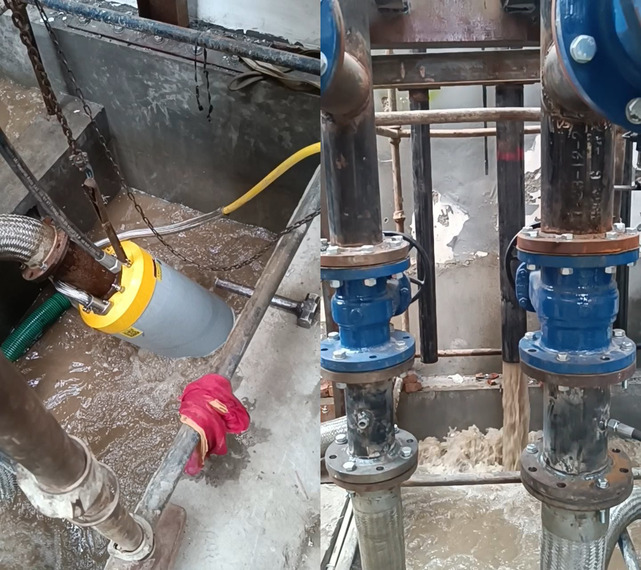
Submersible sewage pumps are designed to operate while fully submerged in wastewater. This design offers several practical advantages compared to surface mounted pumps.
One major benefit is improved efficiency. Since the pump is already inside the fluid, it does not need to draw water through suction. Instead, it pushes the fluid directly, which reduces energy loss and improves performance.
Another advantage is reduced noise. Because the pump operates underwater, sound levels are significantly lower, making it suitable for residential and commercial installations.
Submersible pumps also reduce the risk of air related issues. Air entering the pump system can cause interruptions in flow, but this problem is minimized when the pump is submerged.
Understanding Heavy Wastewater Conditions
Heavy wastewater typically contains a combination of liquid and solid materials. These solids may include organic waste, sludge, debris, or industrial byproducts. Pumps used in such environments must be capable of handling varying solid sizes without clogging.
This makes pump design extremely important. A pump that is not designed for solids may fail quickly or require frequent maintenance. Submersible sewage pumps are built specifically to handle such conditions, making them a reliable choice.
Types of Impellers Used in Sewage Pumps
Vortex Impeller
A vortex impeller creates a whirlpool effect that allows solids to pass through the pump without direct contact with the impeller. This reduces the chances of clogging and wear.
Cutter Impeller
Cutter impellers are designed to break down larger solids into smaller pieces before pumping. This is useful in applications where solid waste is more dense or fibrous.
Channel Impeller
Channel impellers are used for moderate solid content. They provide efficient flow while allowing small to medium sized particles to pass through.
Key Factors to Consider When Selecting a Sewage Pump
Flow Rate
The pump must be capable of handling the volume of wastewater generated by the system. An undersized pump may lead to overflow or slow drainage.
Solid Handling Capacity
It is important to select a pump that can handle the size and type of solids present in the wastewater. This prevents clogging and ensures smooth operation.
Head Requirement
The vertical distance that the pump needs to move wastewater affects performance. Pumps must be selected based on the required discharge height.
Material Construction
Wastewater environments can be corrosive. Pumps made from durable and corrosion resistant materials offer longer service life.
Installation Conditions
The location and depth of installation influence pump selection. Deeper installations require pumps with higher performance capability.
Difference Between Sewage and Drainage Pumps
Sewage pumps and drainage pumps serve different purposes. Sewage pumps are designed to handle wastewater with solid content, while drainage pumps are used for relatively cleaner water with minimal debris.
Using a drainage pump for sewage applications can lead to clogging and system failure. It is important to choose the correct pump type based on the application.
Common Challenges in Sewage Pumping
Clogging
Clogging occurs when solids accumulate inside the pump. This can reduce flow and cause the system to stop working.
Wear and Tear
Continuous handling of solids leads to gradual wear of internal components. This is especially common in high load applications.
Reduced Efficiency
Incorrect pump selection or poor installation can result in reduced performance over time.
Electrical Issues
Improper wiring or insulation problems can affect pump operation and safety.
Best Practices for Reliable Operation
To ensure long term performance, it is important to follow certain operational practices.
- Select a pump designed specifically for wastewater with solids
- Ensure proper installation and alignment
- Monitor system performance regularly
- Conduct routine inspections to detect early signs of wear
- Keep backup systems available in case of failure
Maintenance Guidelines
Regular maintenance helps extend the life of sewage pumps and ensures consistent performance.
- Inspect impellers for damage or blockage
- Clean internal components to remove debris
- Check seals to prevent leakage
- Monitor motor condition and temperature
- Test system performance periodically
Applications of Submersible Sewage Pumps
These pumps are widely used in various sectors due to their reliability and efficiency.
- Municipal sewage systems
- Industrial wastewater treatment
- Commercial buildings
- Residential complexes
- Underground drainage systems
Conclusion
Submersible sewage pumps are essential for managing wastewater that contains solids. Their ability to operate underwater, handle debris, and maintain consistent flow makes them suitable for demanding applications. Proper selection based on flow rate, solid handling capacity, and installation conditions ensures efficient operation and long term reliability.
FAQs
- What is a sewage pump used for
A sewage pump is used to transport wastewater containing solid materials from one location to another. - Which pump is suitable for raw sewage handling
Submersible sewage pumps are commonly used because they are designed to handle solids efficiently. - Can sewage pumps handle large solid particles
Yes, depending on the impeller design, they can handle varying sizes of solid waste. - What is the difference between sewage and drainage pumps
Sewage pumps handle wastewater with solids, while drainage pumps are used for cleaner water. - How can clogging in sewage pumps be prevented
Clogging can be reduced by selecting the right pump type and performing regular maintenance.