Introduction
Construction projects carried out in high groundwater areas often face continuous challenges related to water intrusion. When groundwater enters excavation zones, it affects soil stability, slows down operations, and increases safety risks. Managing this water efficiently is critical for ensuring that construction activities proceed without disruption. A properly selected dewatering pump system plays a central role in maintaining a dry and controlled working environment.
What is a Dewatering Pump
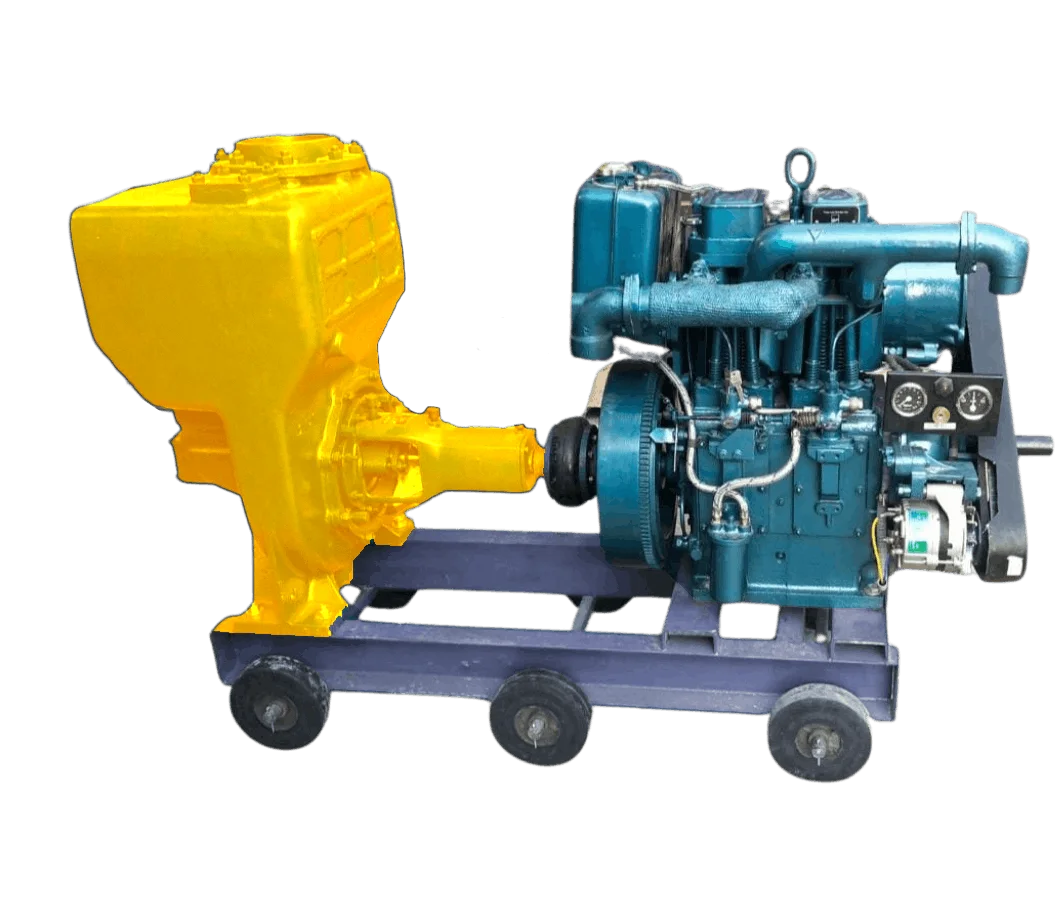
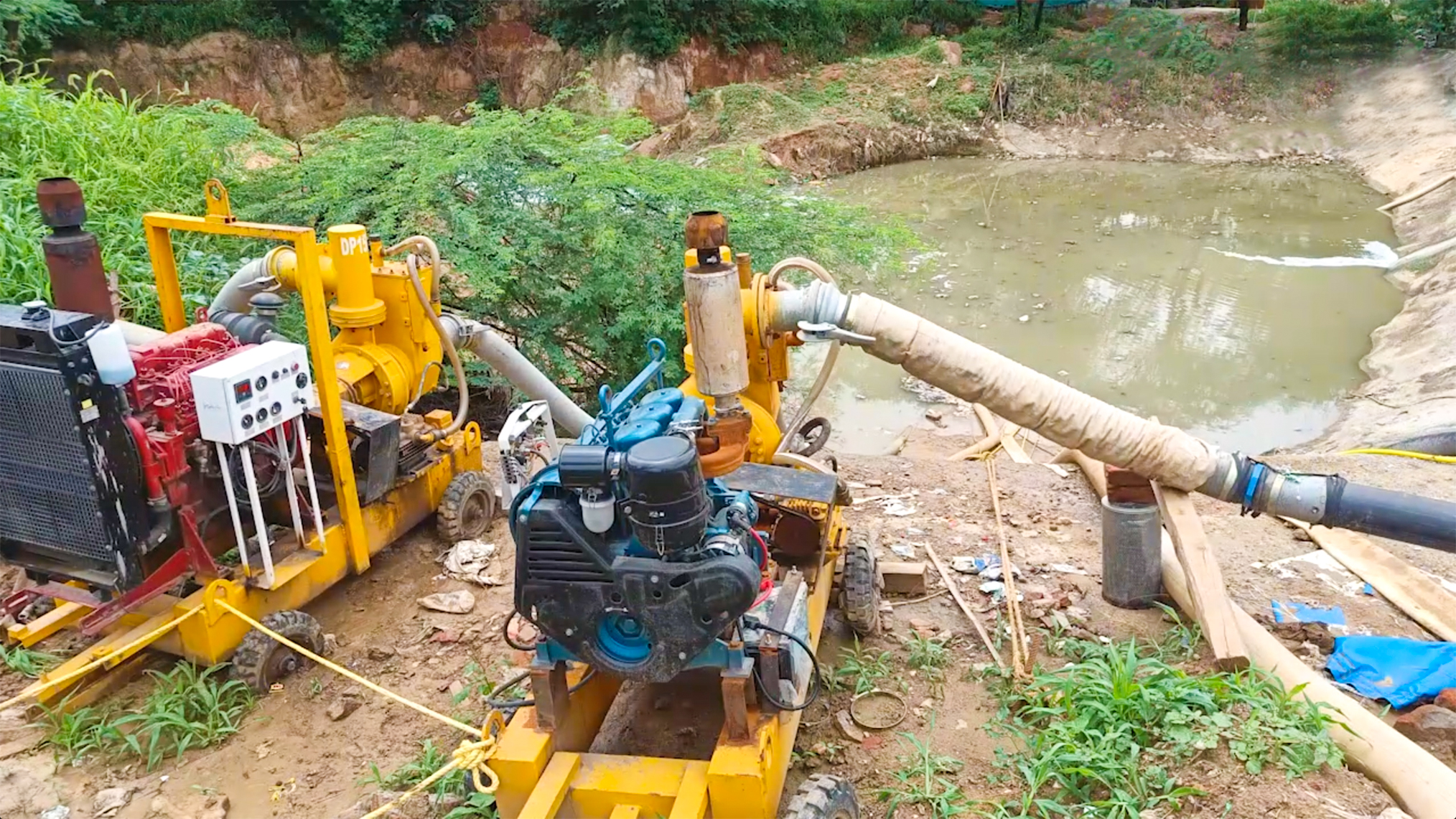
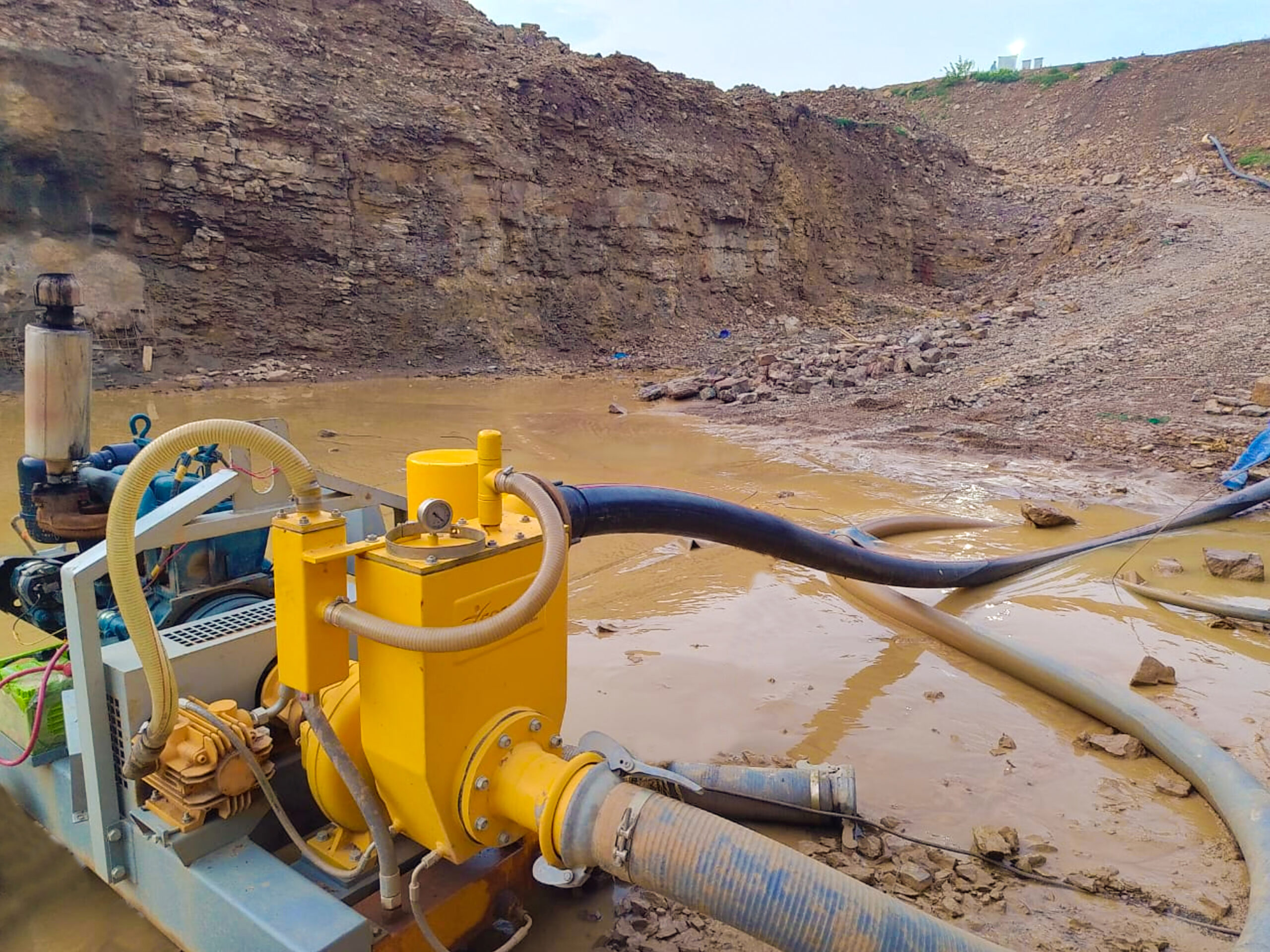
A dewatering pump is designed to remove unwanted water from construction sites, excavations, tunnels, and similar environments. It helps lower the groundwater level and ensures that soil conditions remain stable for structural work. These pumps are commonly used in projects where water accumulation can interfere with progress or safety.
Why High Groundwater Conditions Require Specialized Dewatering
High groundwater environments differ significantly from normal construction sites. In such areas, water continuously seeps into the excavation due to natural pressure from surrounding soil layers. This constant inflow makes it difficult to maintain dry conditions using standard pumping methods.
Some of the main challenges include:
- Continuous and unpredictable water inflow
- Weakening of soil structure due to saturation
- Increased presence of sand and fine particles
- Difficulty maintaining consistent pumping efficiency
Because of these conditions, it is important to select a system that can operate continuously and handle both water and suspended solids.
Types of Dewatering Systems Used in High Groundwater Areas
Well Point Dewatering System
A well point dewatering system is widely used for shallow excavations. It consists of multiple small wells placed around the construction area. These wells are connected to a header pipe, and a vacuum pump is used to extract water. This method lowers the groundwater level evenly across the site.
Deep Well Dewatering System
For deeper excavations, deep well systems are more effective. These involve drilling wells into the ground and installing submersible pumps inside them. This setup allows water to be removed from greater depths and is suitable for large scale projects.
Submersible Dewatering Pumps
Submersible pumps operate while fully submerged in water. They push water to the surface rather than pulling it, which reduces the risk of air entering the system. These pumps are highly reliable for continuous operation and are commonly used in deep pits.
Vacuum Assisted Dewatering Systems
In soils with low permeability such as clay, vacuum systems are used to improve water extraction. These systems increase suction pressure, making it easier to remove water from compact soil structures.
How a Well Point System Works
The well point system works by creating a controlled reduction in groundwater levels. Small diameter wells are installed at regular intervals around the excavation area. These wells are connected to a common pipeline. A vacuum pump draws water through the wells and discharges it away from the site. As water is removed, the groundwater level drops, which helps stabilize the soil and prevents further seepage.
Key Factors to Consider When Selecting a Dewatering Pump
Depth of Excavation
The depth of the excavation determines the pump head requirement. A pump must be capable of lifting water from the required depth without losing efficiency.
Soil Conditions
Soil type plays a major role in water movement. Sandy soils allow water to flow easily, while clay soils restrict flow and may require vacuum support.
Water Inflow Rate
The rate at which water enters the site must be matched by the pump capacity. If the pump cannot handle the inflow, water will continue to accumulate.
Power Source
The availability of power at the site influences pump selection. Electric pumps are suitable for locations with stable power supply, while diesel driven pumps are preferred in remote areas.
Solids Handling Capability
Groundwater often carries sand and debris. Pumps used in such conditions must be designed to handle abrasive materials without excessive wear.
Common Problems in Dewatering Operations
Pump Cavitation
Cavitation occurs when air enters the pump system. This reduces efficiency and can damage internal components over time.
Clogging
Debris and fine particles can block the pump intake, reduce flow and increase maintenance requirements.
Uneven Water Removal
Improper placement of pumps or wells can result in uneven dewatering, leaving certain areas waterlogged.
Equipment Wear
Continuous exposure to abrasive particles such as sand can lead to faster wear of pump components.
Best Practices for Efficient Dewatering
To ensure effective performance, the following practices should be followed:
- Use filtration systems to prevent debris from entering the pump
- Install multiple pumps for large or complex sites
- Monitor groundwater levels regularly
- Ensure correct spacing and placement of wells
- Keep backup pumps available to avoid downtime
Maintenance Guidelines
Regular maintenance is essential for ensuring reliable operation of dewatering systems.
- Inspect seals and impellers for signs of wear
- Clean intake areas to prevent clogging
- Check motor performance and temperature
- Monitor discharge flow to ensure consistent operation
Conclusion
Dewatering is a critical part of construction projects in high groundwater areas. Selecting the right pump system based on site conditions ensures efficient water removal and stable working conditions. Proper planning, correct equipment selection, and regular maintenance all contribute to successful project execution.
FAQs
- What is a dewatering pump used for
A dewatering pump is used to remove excess water from construction sites and excavations to maintain dry working conditions. - Which dewatering system is best for high groundwater conditions
Deep well systems and submersible pumps are commonly used for handling high groundwater levels. - How does a well point dewatering system operate
It uses multiple shallow wells connected to a vacuum pump to lower groundwater levels across a site. - What causes problems in dewatering systems
Common issues include clogging, cavitation, and improper system design. - How can dewatering efficiency be improved
Efficiency can be improved by selecting the right pump, monitoring performance, and performing regular maintenance.