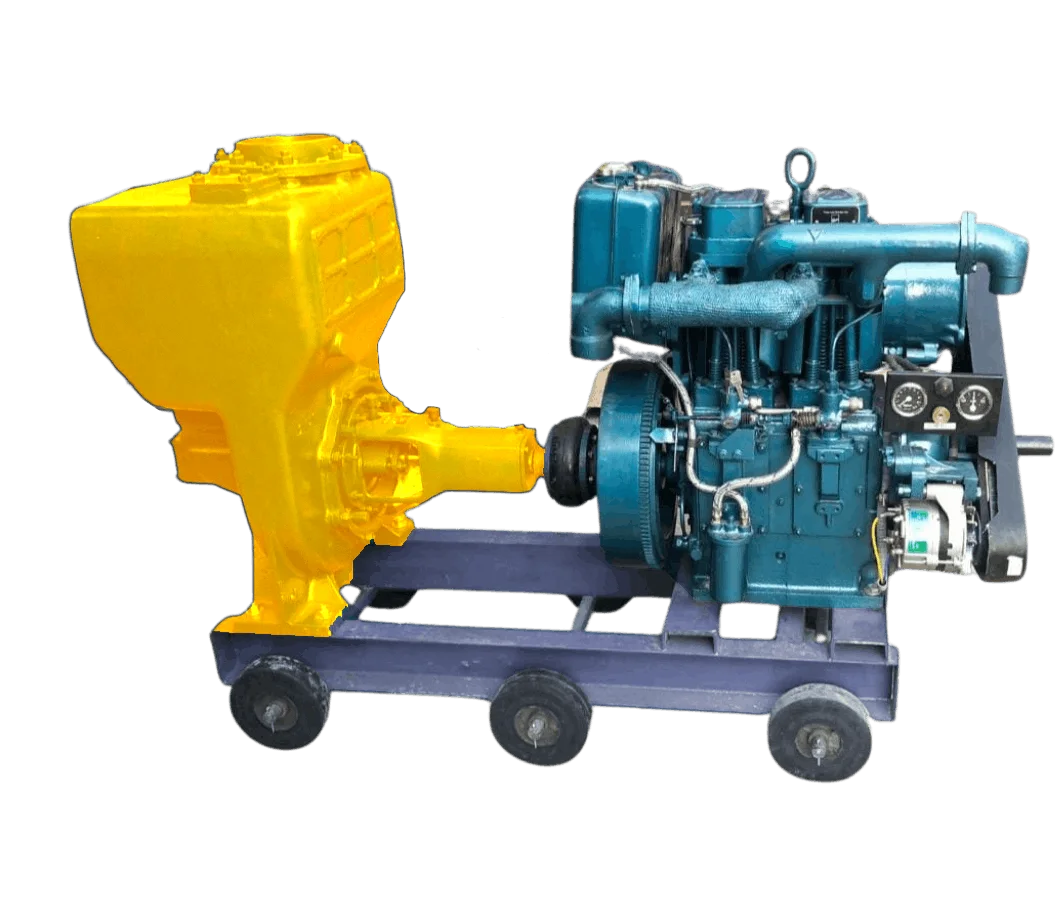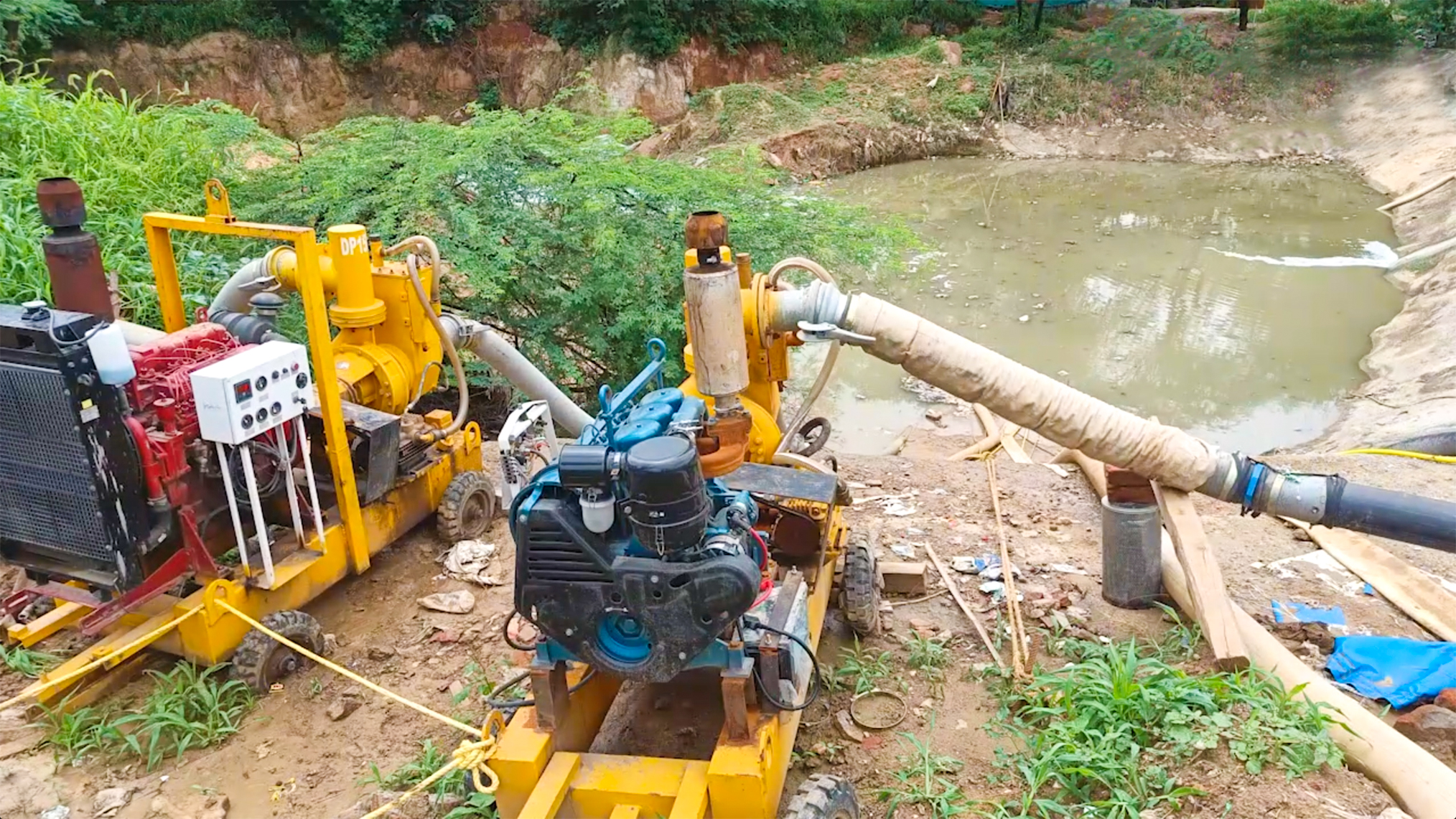
Industries such as construction, mining, and wastewater treatment often deal with fluids that contain solid particles or thick materials. Moving these materials efficiently requires specialized pumping systems. Slurry pumps and sludge pumps are designed for such demanding applications. While both are used for handling mixtures of solids and liquids, they serve different purposes based on the nature of the material.
Understanding how these pumps work and how they differ helps in selecting the right solution for specific operational needs.
What is a Slurry Pump
A slurry pump is used to transport a mixture of liquid and solid particles. These particles are often abrasive and may include sand, gravel, ash, or mineral residues. The pump is designed to handle high wear conditions and maintain consistent flow even when solids are present in large quantities.
Slurry pumps are commonly used in environments where materials need to be moved over long distances or through pipelines.
What is a Sludge Pump
A sludge pump is designed to handle thick, viscous materials that are semi solid in nature. These materials include sewage sludge, industrial waste, and organic residue. Unlike slurry, sludge does not flow easily and requires more force to move.
Sludge pumps are built to generate higher torque, allowing them to push dense material without clogging.
Key Differences Between Slurry and Sludge Pumps
Nature of Material
Slurry consists of liquid mixed with solid particles that remain suspended. Sludge is thicker and has a higher concentration of solids, making it more difficult to move.
Pump Design
Slurry pumps are designed with wear resistant components to handle abrasive particles. Sludge pumps focus on power and torque to move dense materials.
Flow Behaviour
Slurry flows more freely compared to sludge. Sludge requires stronger force due to its thickness and resistance to movement.
Application Areas
Slurry pumps are widely used in mining and construction, while sludge pumps are used in wastewater treatment and industrial waste handling.
How Slurry Pumps Handle Abrasive Materials
Slurry pumps are exposed to continuous wear due to abrasive particles. To manage this, they are constructed using materials that resist damage.
Key design features include:
- Hardened impellers that can withstand abrasion
- Reinforced casing to handle pressure and wear
- Replaceable liners that extend the life of the pump
These features ensure that the pump can operate efficiently even in harsh conditions.
Why Sludge Pumps Require High Torque
Sludge materials are dense and often contain sticky substances that resist flow. To move such material, sludge pumps are designed with powerful motors that generate high torque.
This allows the pump to push thick material through pipelines without blockage. The design also helps maintain a steady flow, even when dealing with heavy loads.
Use of Submersible Mud Pumps in Construction
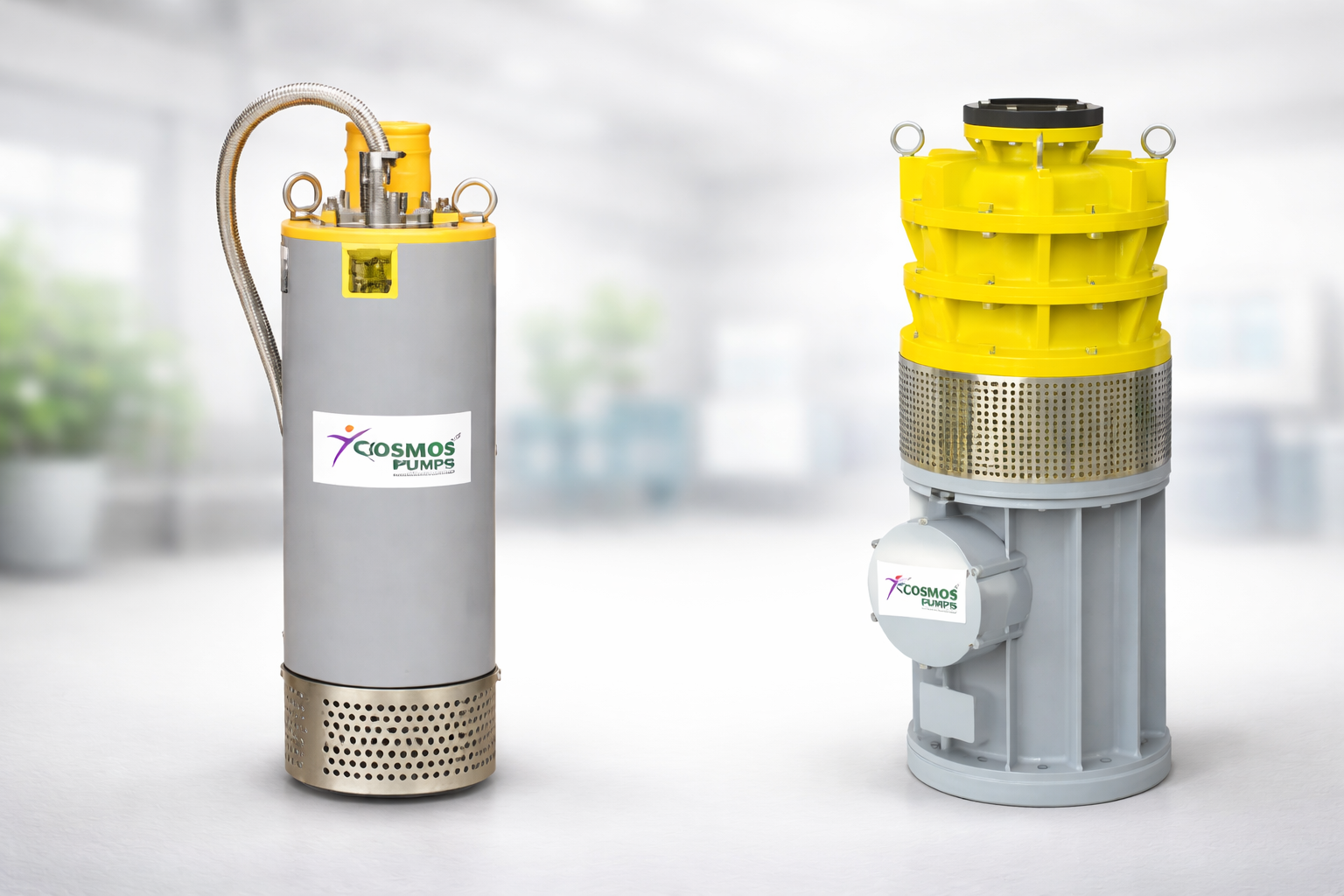
Construction sites often involve water mixed with soil, creating muddy conditions. Submersible mud pumps are commonly used in such situations.
These pumps operate directly within the fluid and help remove water along with suspended soil. Their design allows them to handle rough conditions without frequent breakdowns.
Benefits include:
- Direct operation in waterlogged areas
- Reduced need for manual handling
- Improved efficiency in excavation work
Selection Factors for Slurry and Sludge Pumps
Material Density
The density of the material being pumped affects the type of pump required. Heavier materials need stronger pumps.
Particle Size
Large particles require pumps with wider passages to prevent clogging.
Abrasion Level
Highly abrasive materials require pumps made from durable components.
Flow Rate
The pump must be able to handle the required volume of material without losing efficiency.
Installation Environment
The operating environment, such as temperature and moisture levels, also influences pump selection.
Common Problems in Slurry and Sludge Pumping
Excessive Wear
Continuous exposure to abrasive particles can damage internal components.
Blockages
Improper pump selection can lead to clogging, especially in sludge applications.
Reduced Efficiency
Wear and improper maintenance can reduce the pump’s performance over time.
Vibration Issues
Unbalanced operation can cause vibration, leading to further damage.
Solutions and Best Practices
- Select pumps based on material characteristics
- Use wear resistant components for abrasive applications
- Ensure proper installation and alignment
- Monitor performance regularly
- Replace worn parts before failure occurs
Maintenance Guidelines
Regular maintenance is essential for keeping pumps in good working condition.
- Inspect impellers for signs of wear
- Clean internal components to remove buildup
- Check seals and connections
- Monitor noise and vibration levels
- Schedule periodic servicing
Applications of Slurry and Sludge Pumps
Slurry pumps are commonly used in:
- Mining operations
- Construction sites
- Industrial material handling
Sludge pumps are widely used in:
- Wastewater treatment plants
- Industrial waste management
- Chemical processing units
Conclusion
Slurry and sludge pumps are essential for handling challenging materials in industrial and construction environments. While both are designed for fluids containing solids, their applications differ based on material properties. Selecting the right pump improves efficiency, reduces downtime, and ensures smooth operation.
FAQs
- What is a slurry pump used for
A slurry pump is used to transport liquid mixed with abrasive solid particles such as sand or minerals. - What is a sludge pump used for
A sludge pump is used to move thick and semi solid materials such as wastewater residue. - What is the main difference between slurry and sludge pumps
Slurry pumps handle abrasive flowing mixtures, while sludge pumps handle dense and viscous materials. - Why do slurry pumps require wear resistant materials
They are exposed to abrasive particles that can damage standard components. - Where are sludge pumps commonly used
They are used in wastewater treatment and industrial waste handling systems.