Quick Answer
A dewatering plan for a construction project includes site investigation, selecting the right dewatering method, designing the system layout, choosing appropriate pumps, installing the system, and continuous monitoring to ensure safe and efficient water removal.
Introduction
Construction projects often involve excavation below ground level, where groundwater becomes a major challenge. Without proper water management, excess moisture can weaken soil strength, delay construction work, and increase project costs. A well-defined dewatering plan is essential to maintain dry and stable working conditions. It ensures that construction activities proceed safely and efficiently. Cosmos Pumps supports such projects by providing reliable dewatering equipment designed for consistent performance in demanding environments.
What is a Dewatering Plan?
A dewatering plan is a structured approach to remove or control groundwater and surface water from a construction site. It outlines the methods, equipment, layout, and monitoring processes required to maintain safe working conditions.
Main objectives of a dewatering plan:
- Lower groundwater levels
- Prevent soil instability
- Enable safe excavation
- Protect nearby structures
Step 1: Site Investigation and Analysis
The first and most important step is understanding site conditions.
Key factors to assess:
- Soil type (sand, clay, silt, gravel)
- Groundwater level
- Soil permeability
- Rainfall and seasonal variations
Engineers typically conduct geotechnical surveys and borehole testing to gather accurate data.
Why this step is critical
Incorrect site assessment can lead to selecting the wrong dewatering method, resulting in inefficiency and increased costs.
Step 2: Define Project Requirements
Each construction project has unique needs depending on its size and scope.
Important considerations:
- Depth of excavation
- Size of the construction area
- Duration of the project
- Volume of water expected
For example, shallow excavations may only require basic sump pumping, while deep infrastructure projects require advanced systems.
Step 3: Selecting the Right Dewatering Method
Choosing the appropriate method is key to success.
Common Dewatering Methods
- Wellpoint System
- Suitable for shallow excavations
- Effective in sandy soils
- Uses multiple small wells connected to a pump
- Deep Well System
- Ideal for deep excavations
- Uses submersible pumps installed in boreholes
- Handles large volumes of water
- Vacuum Dewatering System
- Works well in fine soils
- Uses vacuum pressure to extract water
- Provides consistent results
- Sump Pumping
- Simple and cost-effective
- Used for small-scale projects
Cosmos Pumps offers solutions compatible with all these methods, allowing flexibility based on site requirements.
Step 4: Designing the Dewatering System
Once the method is selected, the system layout must be carefully designed.
Components of system design:
- Pump locations
- Pipe network layout
- Discharge points
- Backup systems
A well-planned layout ensures efficient water removal and reduces energy consumption.
Step 5: Selecting the Right Equipment
Equipment selection directly impacts system performance.
Types of pumps used:
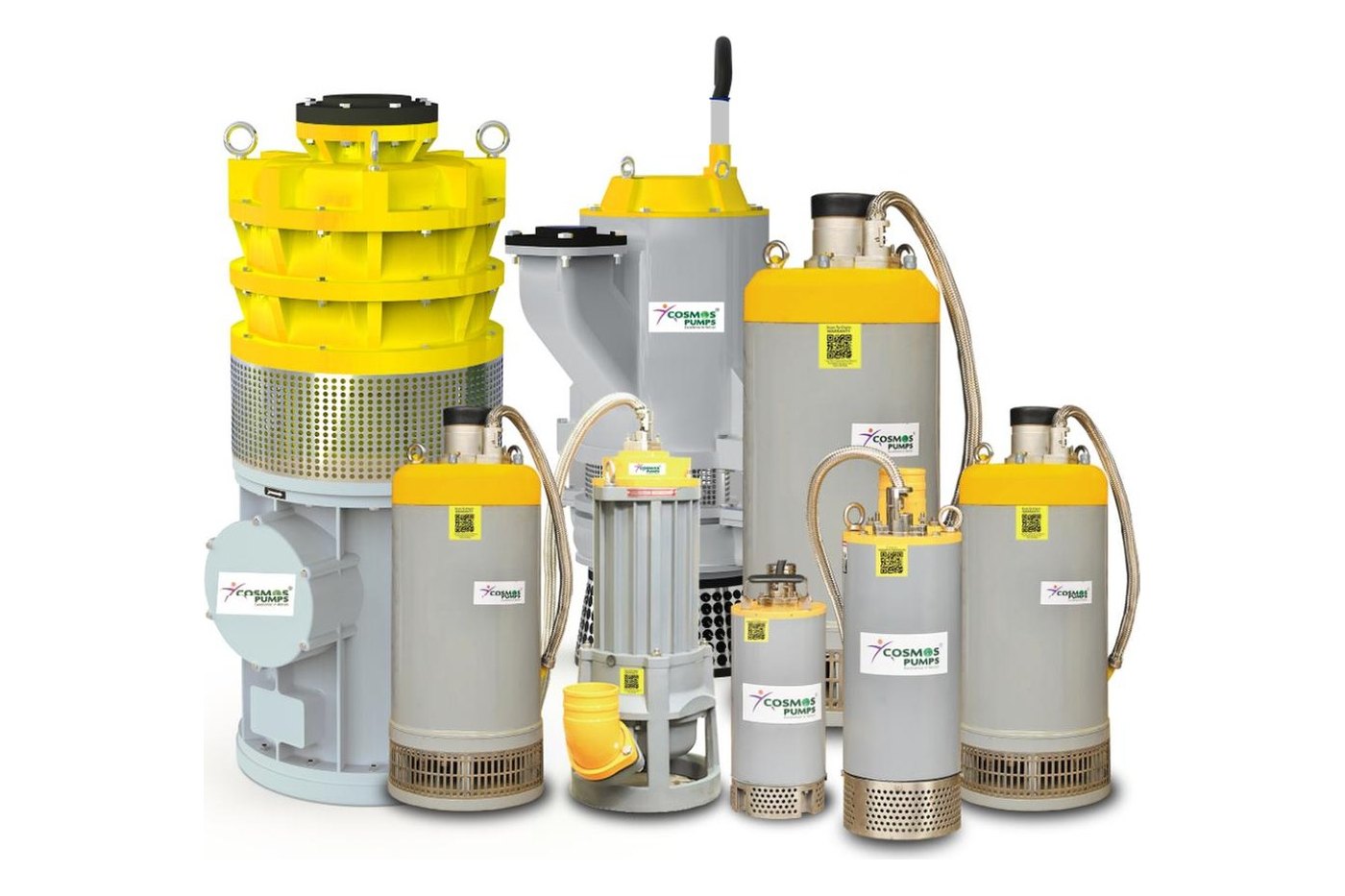
- Submersible dewatering pumps
- Diesel engine pumps
- Auto-priming pumps
- Vacuum-assisted pumps
Key factors in equipment selection:
- Flow rate
- Head capacity
- Durability
- Fuel or power efficiency
Cosmos Pumps provides high-performance pumps designed to operate reliably under challenging conditions, including heavy-duty construction environments.
Step 6: Installation and Testing
After selecting the equipment, proper installation is essential.
Installation steps include:
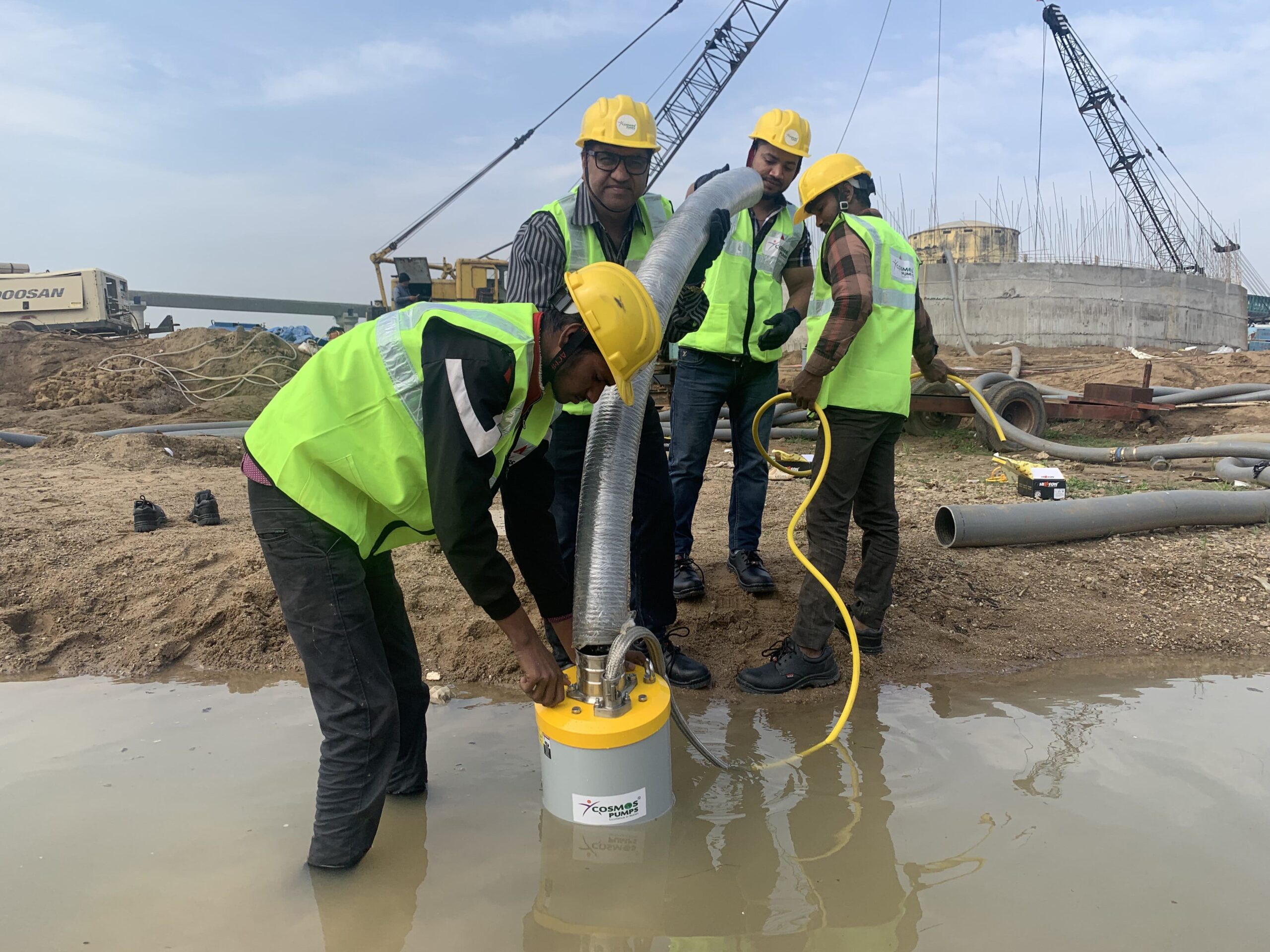
- Setting up pumps and pipelines
- Connecting power or fuel sources
- Testing system performance
Trial runs help ensure the system operates efficiently before full-scale implementation.
Step 7: Monitoring and Control
Continuous monitoring ensures that the system performs as expected throughout the project.
Parameters to monitor:
- Water levels
- Pump efficiency
- Discharge rate
- System pressure
Monitoring allows quick adjustments if conditions change.
Step 8: Maintenance During Operation
Maintenance is often overlooked but plays a crucial role in long-term performance.
Routine maintenance includes:
- Cleaning filters
- Checking for leaks
- Inspecting pump components
- Replacing worn parts
Using reliable systems from Cosmos Pumps helps reduce maintenance frequency and downtime.
Common Challenges in Dewatering Projects
Even with proper planning, challenges can arise.
Typical issues:
- Sudden increase in groundwater
- Equipment breakdown
- Soil instability
- Environmental restrictions
Having a flexible and well-designed dewatering plan helps manage these challenges effectively.
Benefits of a Proper Dewatering Plan
- Improved construction safety
- Faster project completion
- Reduced operational costs
- Better soil stability
- Protection of nearby structures
Conclusion
A well-structured dewatering plan is essential for successful construction projects. From site investigation to system monitoring, every step contributes to efficiency and safety. By using advanced equipment and solutions from Cosmos Pumps, contractors can ensure reliable performance and minimize risks throughout the project lifecycle.
FAQs
1. What is the purpose of a dewatering plan?
It helps remove groundwater and maintain safe construction conditions.
2. How do you choose the right dewatering method?
Based on soil type, water level, and project depth.
3. What equipment is required for dewatering?
Pumps, pipes, filters, and monitoring tools.
4. How often should dewatering systems be monitored?
Regular monitoring is required throughout the project.
5. Why choose Cosmos Pumps for dewatering solutions?
Cosmos Pumps offers reliable, high-performance equipment designed for various site conditions.