Choosing the wrong sludge pump is one of the costliest mistakes on an ETP or STP project. The pump that performs reliably in a sewage lift station will fail within weeks if deployed at a coal-ash transfer station or a harbour dredging site. This guide explains the main sludge pump types, what separates them in practice, and gives engineers a clear selection framework for ETP, STP, construction, and heavy-industrial applications.
What Are the Types of Sludge Pumps?
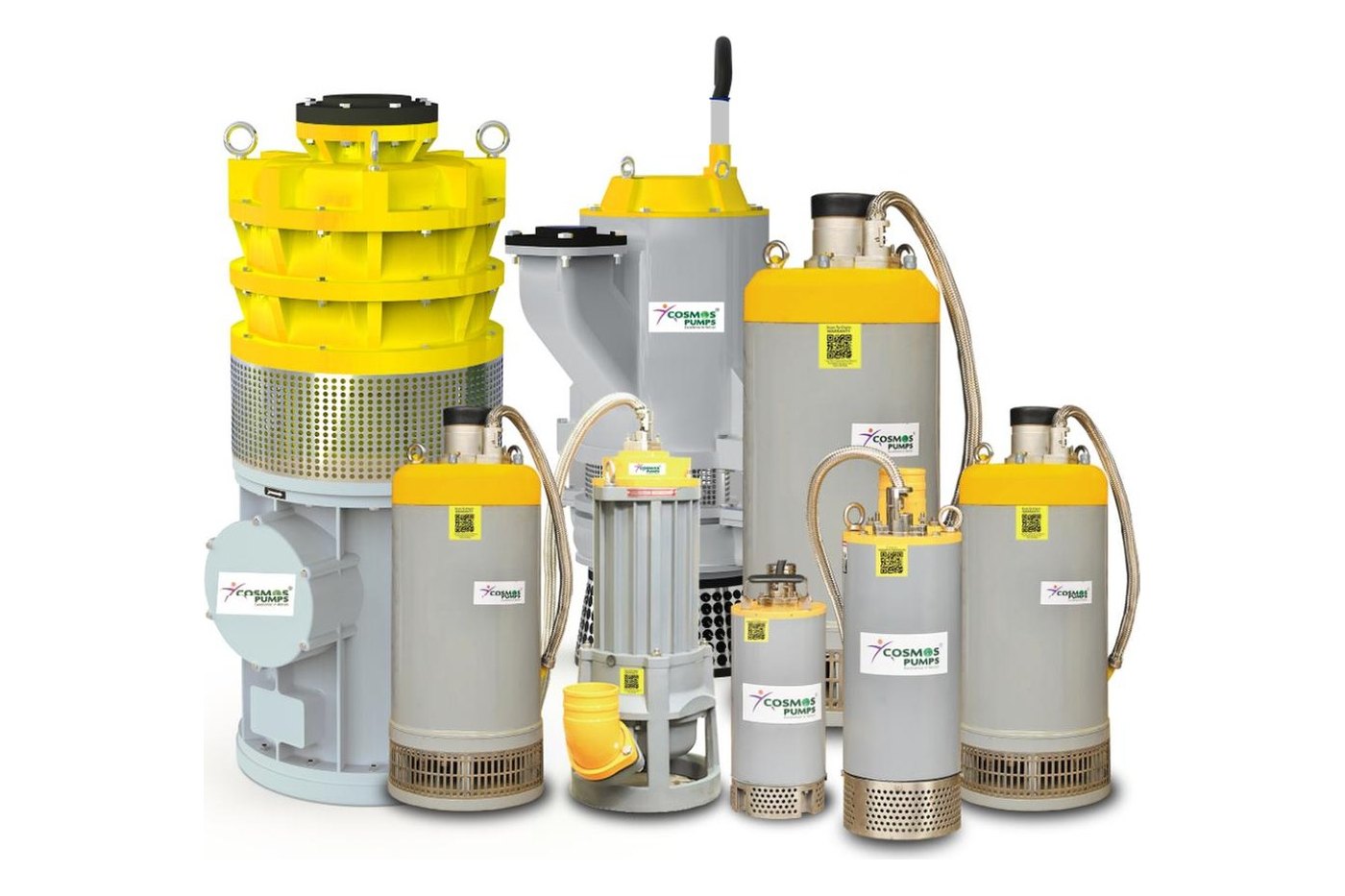
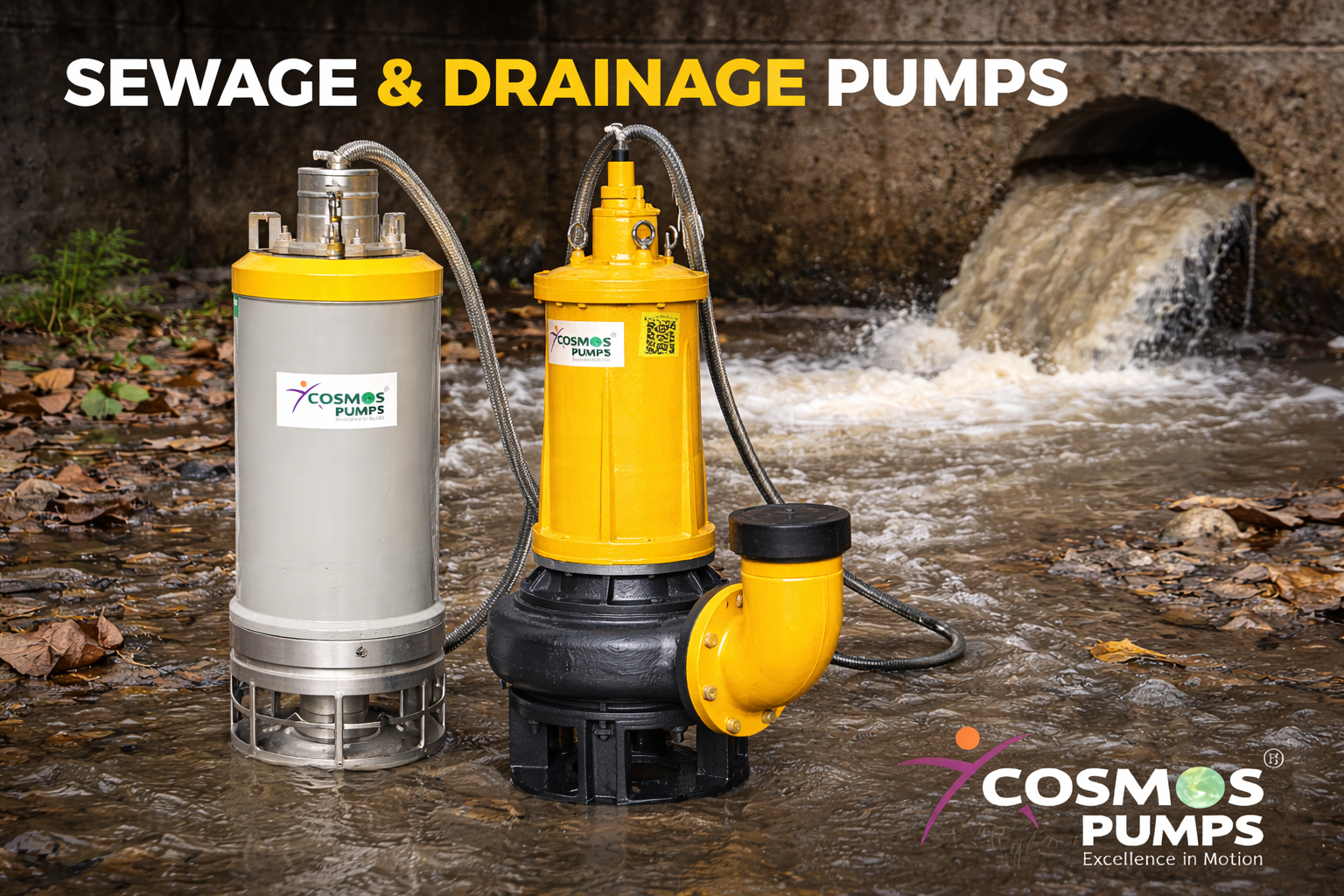
There are three primary types of submersible sludge pumps used in Indian industrial and municipal applications: Non-Clog pumps for construction sludge and sewage bypass (solids up to 70 mm, SG up to 1.2), Sewage pumps for municipal STP and septic sludge (solids up to 100 mm, SG up to 1.7), and Slurry pumps for high-density industrial sludge including ETP effluent, ash, mine tailings, and harbour sediment (solids concentration up to 70% by weight, SG up to 2.1).
What Is Sludge? The Three Parameters That Drive Pump Selection
Sludge is any fluid carrying suspended solids at concentrations too high for standard water pumps to handle reliably. The CPCB (Central Pollution Control Board) classifies sludge by origin and hazard level, but for pump selection, three physical parameters matter most:
- Specific gravity (SG): How heavy the fluid is relative to clean water (SG 1.0). Domestic sewage runs SG 1.05–1.1; industrial ETP sludge 1.2–1.6; slurry from mining or ash transfer 1.6–2.1.
- Maximum solids size (mm): The largest particle or fibrous material the pump must pass. Rags and sanitary waste in sewage can reach 80–100 mm; grit and aggregate in construction sludge may be up to 70 mm; mineral ash and fine slurry are mostly sub-millimetre.
- Solids concentration (% by weight): Construction wastewater may be below 5% solids; activated sludge in an STP secondary clarifier is 0.5–2%; ash slurry and mining discharge can exceed 60–70% by weight.
Selecting a pump based on water-pump criteria and adding a safety margin is not sufficient. A pump rated for SG 1.1 will overload its motor on SG 1.7 sewage sludge. A sewage pump with a 50 mm passage will clog on the first load of construction rubble.
Four Sludge Types Engineers Encounter in the Field
Understanding where sludge originates helps you specify the correct pump at the design stage rather than replacing equipment after failure.
1. ETP Sludge (Effluent Treatment Plants)
Industrial ETP sludge originates from manufacturing discharge — textile dyeing, tanneries, pharmaceuticals, food processing, and chemical plants. Key characteristics:
- SG typically 1.2–1.6
- Fine suspended solids, largely sub-5 mm
- Chemical content (acidic/alkaline effluent, abrasive mineral particles) that attacks standard pump materials
A slurry pump (CSL series) in 27% hi-chrome metallurgy (ASTM A532 Class III) handles ETP sludge reliably. The hi-chrome content provides Rockwell C 60+ hardness, resisting abrasive wear without the cost of full alloy construction. Standard sewage pump impellers in stainless or cast iron wear rapidly under continuous ETP duty.
2. STP Sludge (Sewage Treatment Plants)
Municipal STP sludge — primary and secondary sludge from clarifiers and digesters — is the most common sludge pumping application in India’s growing urban infrastructure programme. Key characteristics:
- SG 1.05–1.3 (raw sludge) to 1.3–1.5 (digested sludge)
- Solids size up to 100 mm (rags, sanitary waste from combined sewers)
- High fibrous content that clogs standard closed-impeller pumps
The Sewage pump (CSW series) is designed specifically for this duty, with impeller passages for 20–100 mm solids and SG rated up to 1.7 to handle concentrated digested sludge.
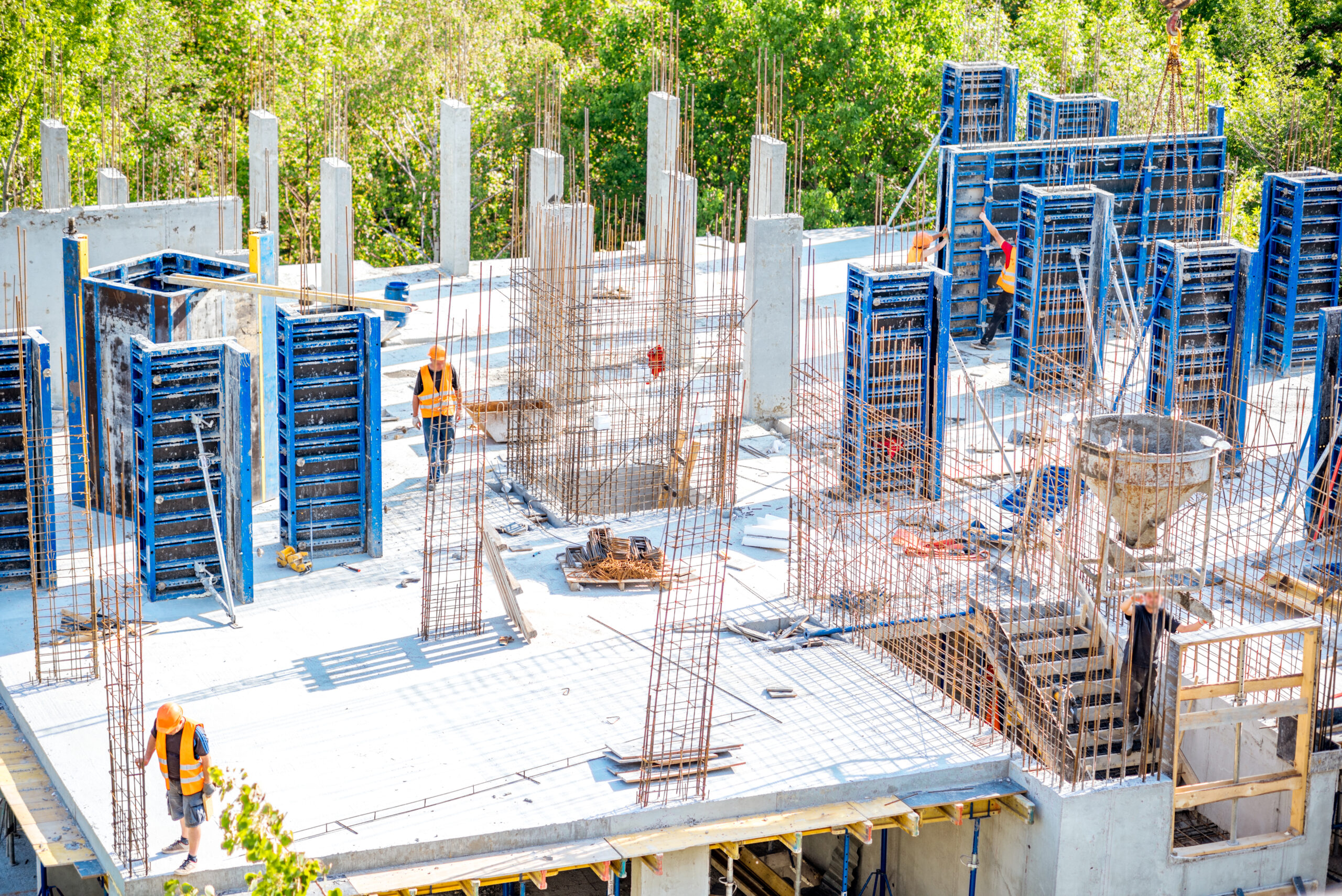
3. Construction and Tunnel Site Sludge
On construction sites, tunnels, and civil infrastructure projects, sludge accumulates from groundwater mixing with excavated soil, concrete washout, and drilling returns. Key characteristics:
- SG 1.1–1.3
- Mixed solids including grit, aggregate fragments, and fibrous debris up to 70 mm
- Intermittent high-solid surges when groundwater breaks through cut faces
The Non-Clog pump (CNC series) handles this duty with its bottom-discharge vortex impeller design that passes 70 mm solids. Its SS-304 volute resists the abrasion of gritty construction sludge. The CNC is also the standard pump for sewage bypass during pipeline maintenance and manhole cleaning — it fits 14-inch diameter manholes, making it the only viable submersible option for confined-space municipal work.
4. Industrial and Harbour Sludge
Heavy-duty industrial applications — coal ash transfer at thermal power stations, harbour dredging, mine tailings transfer, sand and gravel washing — involve sludge with characteristics far beyond what sewage or non-clog pumps are built for:
- SG 1.6–2.1
- Solids concentration 40–70% by weight
- Highly abrasive particles (coal ash, mineral sands, aggregate)
Only a Slurry pump (CSL/CSL-TV series) in hi-chrome MOC can sustain continuous duty in these conditions. The CSL-TV twin-volute variant provides improved hydraulic balance and extended bearing life for 24/7 industrial duty — a critical specification for ash ponds and mine discharge sumps running around the clock.
Sludge Pump Types: Side-by-Side Comparison
| Parameter | Non-Clog (CNC) | Sewage (CSW) | Slurry (CSL / CSL-TV) |
|---|---|---|---|
| Best applications | Construction sludge, sewage bypass, manhole cleaning | Municipal STP, sewage lift stations, septic sumps | ETP, ash transfer, mining tailings, harbour dredging |
| Maximum solids size | 70 mm (bottom discharge) | 100 mm | Solids up to 70% by weight |
| Specific gravity | Up to 1.2 | Up to 1.7 | Up to 2.1 |
| Flow range | 1,250–1,500 LPM | 775–33,000 LPM | 1,584–5,834 LPM |
| Head range | 22–30 M | 5–60 M | 27.5–52.5 M |
| HP range | 6–20 HP | 2–200 HP | Up to 100 HP |
| Impeller material | Nitride-hardened SS-410 (HRC 52–55) | SS or cast iron | 27% Hi-Chrome (ASTM A532 Class III) |
| Volute material | SS-304 | Cast iron | Hi-Chrome |
| pH range | 5–8 | — | — |
| 24/7 continuous duty | Yes (intermittent preferred) | Yes | CSL-TV recommended |
| Cosmos model | CNC Non-Clog Pump | CSW Sewage Pump | CSL Slurry Pump |
How to Select the Right Sludge Pump: A 5-Step Framework
Step 1 — Determine Specific Gravity
Measure the SG of the fluid under operating conditions. If SG ≤ 1.2 with mixed grit and fibrous solids: Non-Clog (CNC). SG 1.2–1.7 with primarily organic/sewage solids: Sewage pump (CSW). SG above 1.5 or solids concentration above 30% by weight: Slurry pump (CSL).
Step 2 — Check Maximum Solids Size
Estimate the largest solid the pump must pass. If rags, sanitary waste, or mixed debris exceed 70 mm, specify CSW with 100 mm passage. If solids are confined to grit and aggregate up to 70 mm with some fibrous material, CNC bottom-discharge covers this.
Step 3 — Calculate Required Flow and Head
Determine your site’s required flow rate (LPM or m³/h) and total dynamic head (vertical lift plus pipe friction losses). For municipal STP: CSW’s range (775–33,000 LPM) covers most duty sizes. For industrial transfer: CSL’s 1,584–5,834 LPM range and 27.5–52.5 M head suit most slurry circuits.
Step 4 — Assess Metallurgy Requirements
If the sludge contains acidic or alkaline effluent (pH below 5 or above 8), or highly abrasive mineral content, hi-chrome MOC (CSL) is mandatory. For neutral-pH STP or construction sludge, SS-304/SS-410 in CNC or CSW is appropriate and significantly more cost-effective.
Step 5 — Check Site Constraints
For confined manholes (standard 14-inch diameter), CNC is the only submersible sludge pump that fits. For 24/7 continuous industrial duty at thermal power plants or mine sumps, specify CSL-TV twin-volute for extended bearing life. For sites without reliable power supply, consider a diesel auto-prime surface pump with open impeller for sludge below SG 1.1.
Submersible Sludge Pumps in Indian STP/ETP Infrastructure
India’s National Mission for Clean Ganga (NMCG) and AMRUT 2.0 programme are driving STP construction across Tier 2 and Tier 3 cities at scale. The CPHEEO (Central Public Health and Environmental Engineering Organisation) Sewerage and Sewage Treatment Manual specifies that submersible sludge pumps should be used for all below-grade sludge sump applications — not centrifugal surface pumps — because submersible designs eliminate priming requirements and the risk of dry-run seal failures in unmanned pump rooms.
A submersible sludge pump (CNC, CSW, or CSL) offers specific advantages for STP/ETP duty:
- No suction lift limitation: Can pump from sumps more than 8 m deep
- No priming required: Immediate start even after long idle periods
- Motor cooling via pumped fluid: Eliminates the need for external cooling infrastructure
- Reduced noise and footprint: No above-ground pump housing required for below-grade installations
For ETP operators specifying submersible sludge pumps for continuous industrial service, the CSL slurry pump in 27% hi-chrome meets the fatigue and abrasion-resistance requirements of IS 9137 (Indian Standard for submersible pump testing) and ASTM A532 Class III metallurgy.
Cosmos Pumps Sludge Pump Range
Cosmos Pumps Pvt. Ltd. manufactures ISO and CE certified submersible sludge pumps at its Faridabad NCR facility. For complete specifications and application sizing assistance, visit the Sludge Pump range page.
- CNC Non-Clog Pump: Construction sites, tunnels, sewage bypass, manhole cleaning. Bottom-discharge handles 70 mm solids. 6–20 HP.
- CSW Sewage Pump: Municipal STP, sewage lift stations, residential and commercial complexes. 20–100 mm solids, SG up to 1.7, 2–200 HP.
- CSL / CSL-TV Slurry Pump: ETP sludge, ash transfer, mining waste, harbour construction. 27% hi-chrome, SG up to 2.1, up to 100 HP. CSL-TV twin-volute recommended for 24/7 heavy-industrial duty.
All models are available for outright purchase or project rental. Request specifications and pricing: cosmos@cosmospumps.com | +91 99333 22238.
Frequently Asked Questions: Sludge Pump Types
What are the types of sludge pumps?
The three main types of sludge pumps are Non-Clog submersible pumps (construction sludge, sewage bypass; solids up to 70 mm, SG up to 1.2), Sewage pumps (municipal STP, septic; solids up to 100 mm, SG up to 1.7), and Slurry pumps (industrial ETP, ash transfer, mining; up to 70% solids by weight, SG up to 2.1). Pump type must be matched to the specific gravity, solids size, and concentration of the fluid being pumped.
What is the difference between a sludge pump and a sewage pump?
All sewage pumps handle a form of sludge, but not all sludge pumps are designed for sewage. A sewage pump is designed for municipal wastewater — with large passages (up to 100 mm) for rags and sanitary waste at SG up to 1.7. A sludge pump is a broader category that includes slurry pumps for high-density industrial fluids (SG up to 2.1) that would damage a sewage pump’s impeller and seals within hours.
Which pump is best for ETP sludge?
For industrial ETP sludge (SG 1.2–1.6, abrasive chemical content), a hi-chrome slurry pump such as the Cosmos CSL series (27% hi-chrome, ASTM A532 Class III) is the correct specification. Sewage pumps with stainless or cast-iron impellers wear excessively under continuous abrasive ETP duty and are not suitable for prolonged service in this application.
Which pump is used in an STP?
Sewage pumps (CSW series) are standard for STP primary sludge transfer and return activated sludge (RAS) duty. For secondary sludge with elevated concentration (SG 1.3–1.5), a higher-rated sewage pump or entry-level slurry pump may be specified. The CPHEEO Sewerage and Sewage Treatment Manual recommends submersible designs for all below-grade sludge sump installations.
What is a submersible sludge pump?
A submersible sludge pump is a pump-motor assembly designed to operate fully immersed in the fluid it is pumping. Unlike surface centrifugal pumps, submersible sludge pumps eliminate suction-lift limitations, require no priming, and cool the motor through the pumped fluid. They are the standard specification for ETP/STP sumps, construction site dewatering, and manhole cleaning across India.
What specific gravity does sludge have?
SG varies significantly by source: domestic sewage SG 1.05–1.1; primary STP sludge SG 1.1–1.3; industrial ETP sludge SG 1.2–1.6; coal ash slurry SG 1.4–1.8; mining tailings SG 2.0–2.1. Always measure or calculate SG from the actual site fluid sample before specifying a pump — selecting a pump rated for SG 1.1 on a service that reaches SG 1.7 will cause motor overload and premature failure.
How do I select a sludge pump for my application?
Start with three measurements: (1) specific gravity of the fluid at operating conditions, (2) maximum solids size expected, and (3) required flow rate and total dynamic head. If SG ≤ 1.2: Non-Clog (CNC). SG 1.2–1.7: Sewage pump (CSW). SG above 1.5 or high abrasive content: Slurry pump (CSL) in hi-chrome. Contact a Cosmos applications engineer at +91 99333 22238 for site-specific sizing.
Can a sludge pump handle fibrous materials like rags or textiles?
Non-Clog (vortex) pumps and sewage pumps are specifically designed for fibrous solids including rags, textiles, sanitary waste, and paper. The CNC Non-Clog pump’s vortex impeller creates a recirculating flow that moves fibrous solids through the pump body without contact with the impeller — virtually eliminating clogging. Standard closed-impeller centrifugal pumps are not suitable for fibrous sludge and will clog on first contact with rag waste.
Summary
The right sludge pump depends on where the sludge comes from. For construction sites, tunnels, and sewage bypass: Non-Clog CNC. For municipal STP and sewage lift stations: Sewage pump CSW. For ETP, ash transfer, mining waste, and harbour applications: Slurry pump CSL/CSL-TV in 27% hi-chrome.
Cosmos Pumps supplies ISO-CE certified submersible sludge pumps across all three duty types from its Faridabad NCR manufacturing facility. For ETP/STP application sizing and a pump selection recommendation for your project, contact the applications team at cosmos@cosmospumps.com or +91 99333 22238.